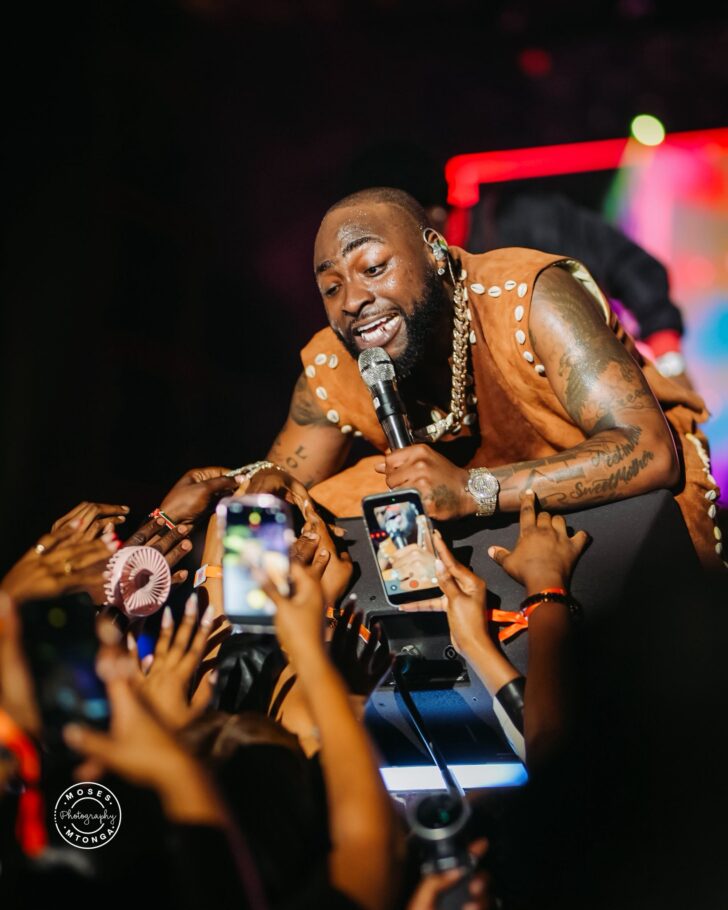
Why Copperbelt Artists Are Suddenly Dominating Zambia’s Music Scene in 2026


Introduction: A Quiet Shift That Became Impossible to Ignore
For years, Zambia’s mainstream music spotlight has largely been associated with Lusaka. But in 2026, something noticeable is happening – Copperbelt artists are no longer just participants in the industry; they are shaping its direction.
From streaming numbers to event turnouts, a new wave of talent from Kitwe, Ndola, Chingola, and surrounding towns is beginning to dominate conversations in Zambian entertainment.
So what is driving this shift?
1. The Rise of Local Studios and Independent Production
One of the biggest changes is access to music production.
A few years ago, many Copperbelt artists had to travel to Lusaka for quality recording. Today, local studios have improved significantly, offering:
- Professional mixing and mastering
- Affordable recording sessions
- Faster production cycles
- Collaboration hubs for upcoming artists
This has reduced barriers and allowed talent to develop without relocating.
The result is simple: more music, more consistency, and faster growth.
2. Social Media Has Levelled the Playing Field
Platforms like TikTok, Facebook, and Instagram have changed how music spreads in Zambia.
Instead of relying on traditional radio gatekeepers, artists can now:
- Go viral from a single short video
- Reach national audiences instantly
- Build fanbases directly without intermediaries
Copperbelt artists have been especially effective at using short-form content to push songs organically, often gaining traction before formal promotion even begins.
3. A Strong Local Fan Culture
Copperbelt audiences have always been known for strong support of homegrown talent.
But in recent years, this support has evolved into something more powerful:
- Fans actively promote songs online
- Local shows consistently sell out
- Artists gain loyalty before national exposure
This creates a foundation where artists can grow from regional to national popularity faster than before.
4. Event Scene Expansion Outside Lusaka
Another key factor is the rise of entertainment events in Copperbelt towns.
More promoters are investing in:
- Club tours
- Local festivals
- Artist meet-and-greets
- Live recording performances
This gives artists frequent performance opportunities – something crucial for building stage presence and fan connection.
5. The New Sound of Zambia Is Becoming More Diverse
Copperbelt artists are also contributing to a shift in sound:
- More fusion of hip-hop, dancehall, and Afro-fusion
- Strong storytelling rooted in local life
- Experimental beats influenced by street culture
This diversity is helping Zambia’s music scene expand beyond traditional patterns.
6. Industry Attention Is Following the Momentum
As streaming numbers and engagement grow, industry stakeholders are paying attention.
We are seeing:
- More collaborations between Lusaka and Copperbelt artists
- Increased media coverage of Copperbelt talent
- Record labels scouting outside the capital
This confirms that the shift is not temporary — it is structural.
Conclusion: A Power Shift in Progress
The rise of Copperbelt artists is not a coincidence. It is the result of improved access, digital platforms, strong local support, and evolving creative identity.
If current trends continue, the next dominant wave of Zambian music stars may no longer come from one city – but from multiple creative hubs across the country.
And Copperbelt is clearly leading that change.